Ask five people what home staging means and you will get five different answers. Some picture a stylist arranging cushions the morning of a photo shoot. Others imagine an empty house filled overnight with furniture chosen from a catalogue, installed without much thought, and removed the day the sign comes down. Neither picture is entirely wrong. Both are incomplete.
At The White Veld, staging is neither decoration nor disguise. It is a reading of the property: what a buyer will notice first, what will hold their attention, and what will quietly work against a sale if it is left alone. Every choice, from a single lamp to a full furniture installation, answers that reading rather than personal taste.
What staging actually is
Staging is preparation for a specific audience: the buyer most likely to want this exact home, in this exact market, at this exact moment. A four bedroom family home outside Oakville and a one bedroom condo tower in Mississauga are not staged the same way, because they are not being sold to the same person, and they are not judged by the same set of expectations.
Good staging removes friction. It answers the questions a buyer is already asking as they scroll through listing photos: does this room work, is there enough storage, does the light feel good in the afternoon. It does this quietly, through scale, proportion, and restraint, never through a single showy gesture meant to be remembered on its own.
The work also has a timeline built into it. A design consultation comes first, always, because it is difficult to solve a room correctly without first understanding what the space and the market are asking of it. Everything that follows, the sourcing, the installation, the final styling pass, is built on that first read.
What staging is not
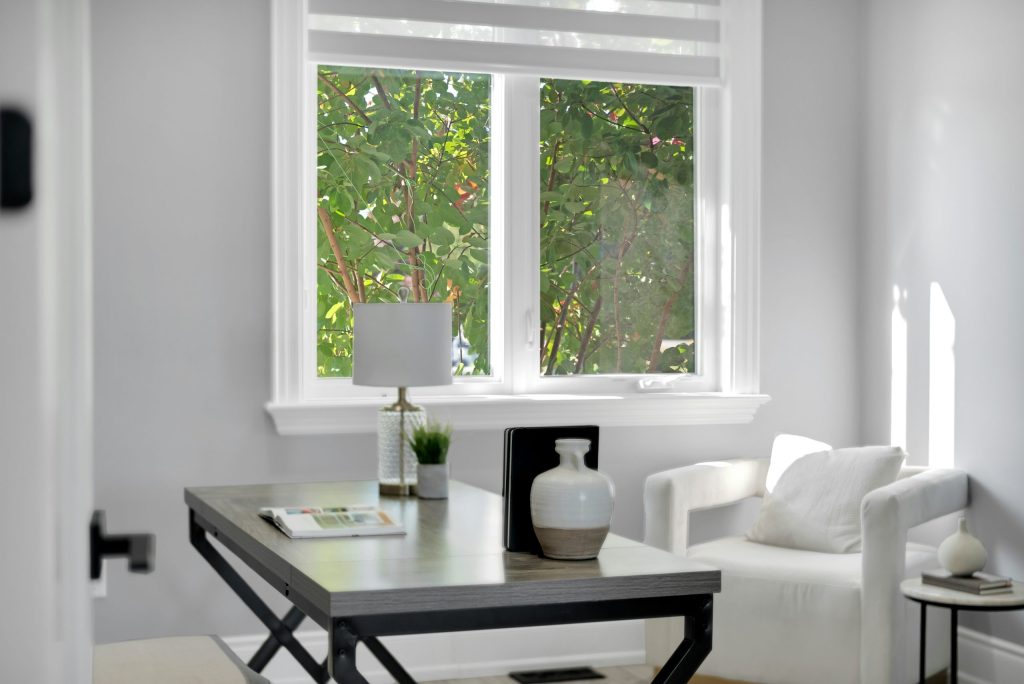
Staging is not a fixed look applied to every property regardless of size, era, or buyer. A formula flatters no one. It photographs as generic, and buyers can tell the difference between a home that has been considered and one that has simply been filled.
A few of the more persistent misconceptions are worth retiring.
- That staging means adding more furniture, when it more often means removing it.
- That a vacant home always needs a full furniture package, when a lighter occupied refresh is sometimes the stronger, faster option.
- That staging is only for the empty rooms, when the kitchen counter and the entry hallway usually need it most.
- That staging exists to impress the seller, when its only real audience is the buyer.
None of this is about withholding effort. It is about directing that effort toward what a buyer will actually register in the first three seconds of a listing photo, rather than what feels satisfying to add.
The strongest staging is the kind a buyer never quite notices. They only notice that the home felt right.
Where staging and styling meet
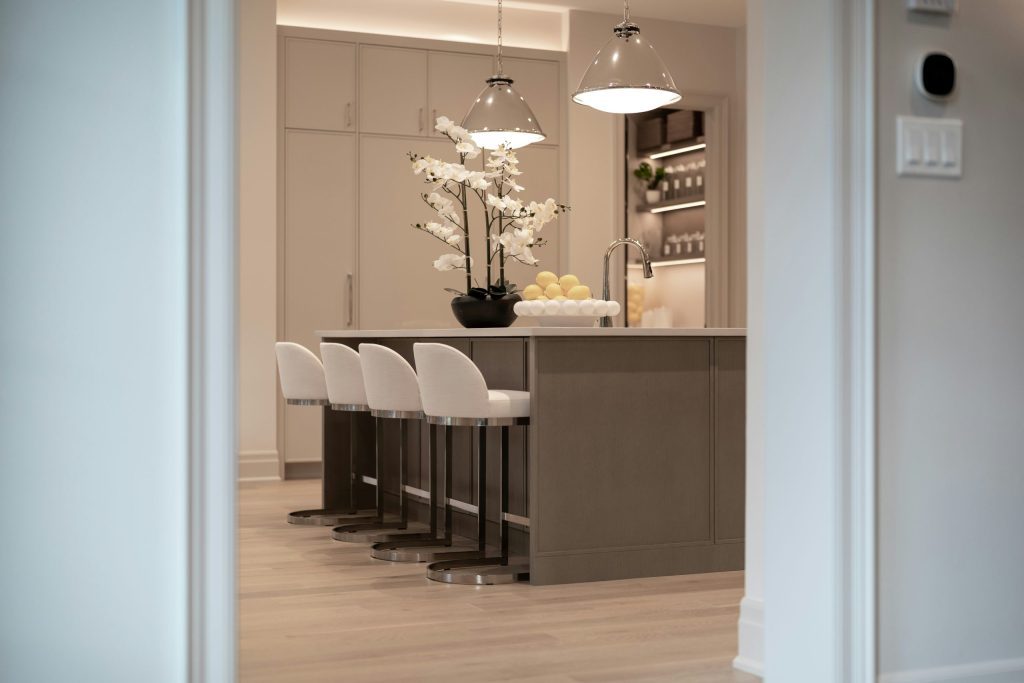
Staging and interior styling solve related but different problems, and the line between them matters more than it first appears. Staging serves the sale: every decision is made with a closing date, a buyer profile, and a set of listing photographs in mind, and the furniture leaves once its job is done. Interior styling serves the home you are staying in: the furniture, art, and soft furnishings are chosen to be lived with, not simply photographed and returned.
The two disciplines share a visual language. Both favour restraint over abundance, and both treat light, texture, and proportion as the real material of a room. Where they part is intent. A staged living room is built to read well in a photograph taken by a stranger. A styled living room is built to feel right at the end of a Tuesday.
What this means for your listing
If you are preparing to sell, the useful question is not whether to stage but how much staging your specific property needs. An occupied family home with good bones and a few awkward rooms may need a design consultation and a handful of targeted changes. A vacant new build with no furniture at all needs a fuller installation, considered room by room, before a single photograph is taken.
Either way, the goal stays the same. The presentation should earn a serious offer, faster, by removing every reason a buyer might hesitate and leaving nothing for them to explain away. That is the standard we hold every room to, on every listing, regardless of size or price point.
If you are weighing whether your own property needs a full installation or a lighter refresh, that is exactly what a design consultation is for.